We couldn’t afford to pay payroll today.
We literally had to pay our staff from our personal savings account. And you know what? That’s fine, because we have the cash available to lend our Company. It’s just a logistical cash flow problem after a quiet few months, but it’s a lot more common than you might think in many businesses. Even super profitable ones. And those that haven’t prepared for it, are forced to go under.
You can have a brilliantly profitable business, but if the flow of cash isn’t managed properly, you can run into serious trouble incredibly quickly.
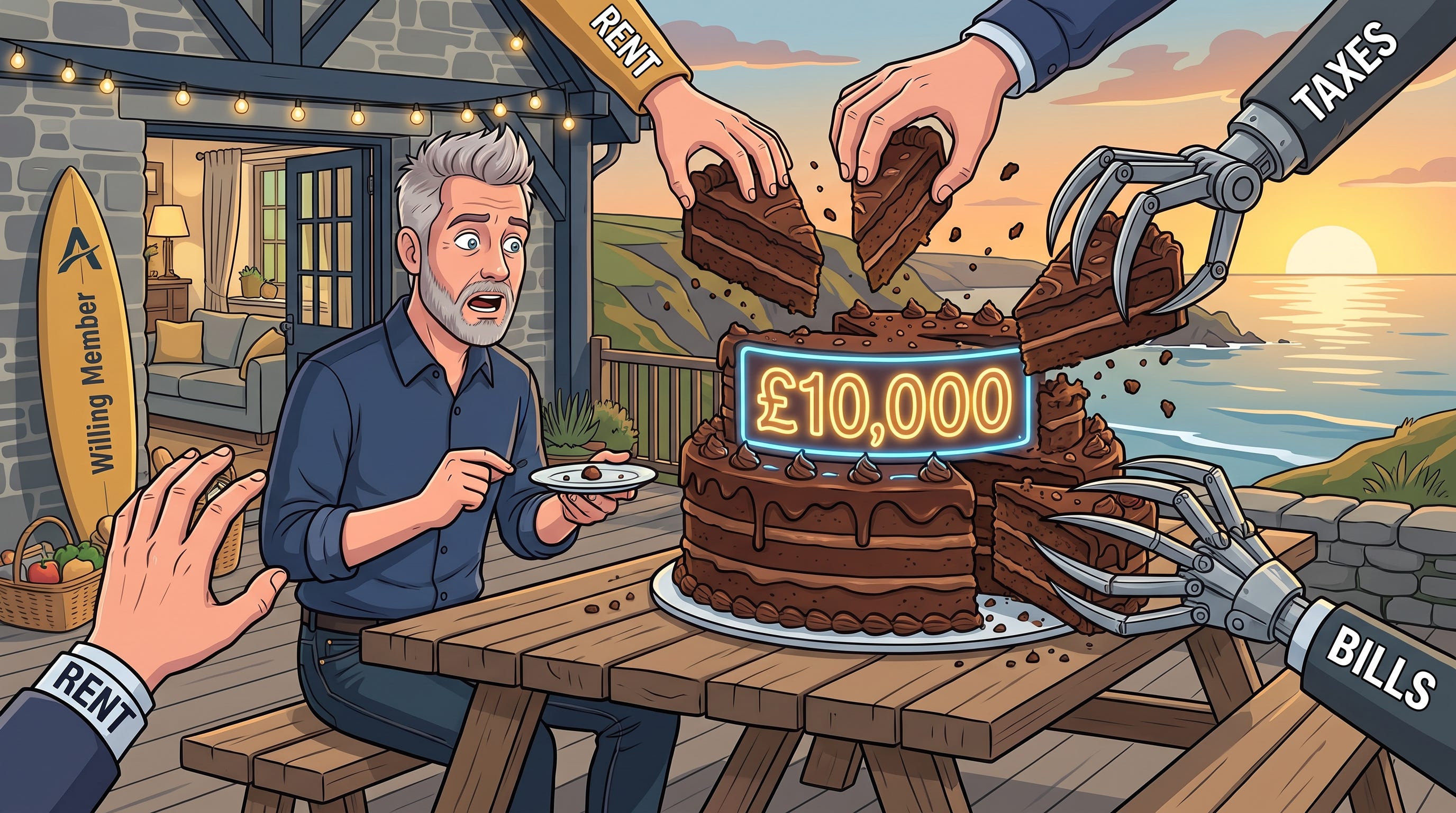
It is very easy to think that when you have made a £10,000 sale, you have £10,000 sitting in the bank. But by the time you have paid your suppliers, staff, rent, taxes, and all the miscellaneous bills, you may actually only have closer to £2,000 left over. So don’t run out and buy that new car just yet!
I am not sharing this to put you off starting a business, or to scare you. I am telling you this because cash flow issues are an incredibly easy trap to fall into. We have been very lucky that when we have done good, we have tucked some money away. We have learned the hard way that every single business has its ups and downs, and you need to have a buffer to be able to ride the storms too.
Same S***, Different Day!
It is very easy to compare yourself to large companies and assume they don’t have the same stresses as bootstrapped startup founders. You might think they’re completely fine with their millions of pounds in turnover, but they are expensive beasts to run, and their liabilities are equally just as high.
Just imagine running an airline where it costs tens to hundreds of thousands of dollars just to fuel a single flight. I grumble about paying £130 to fuel the van!
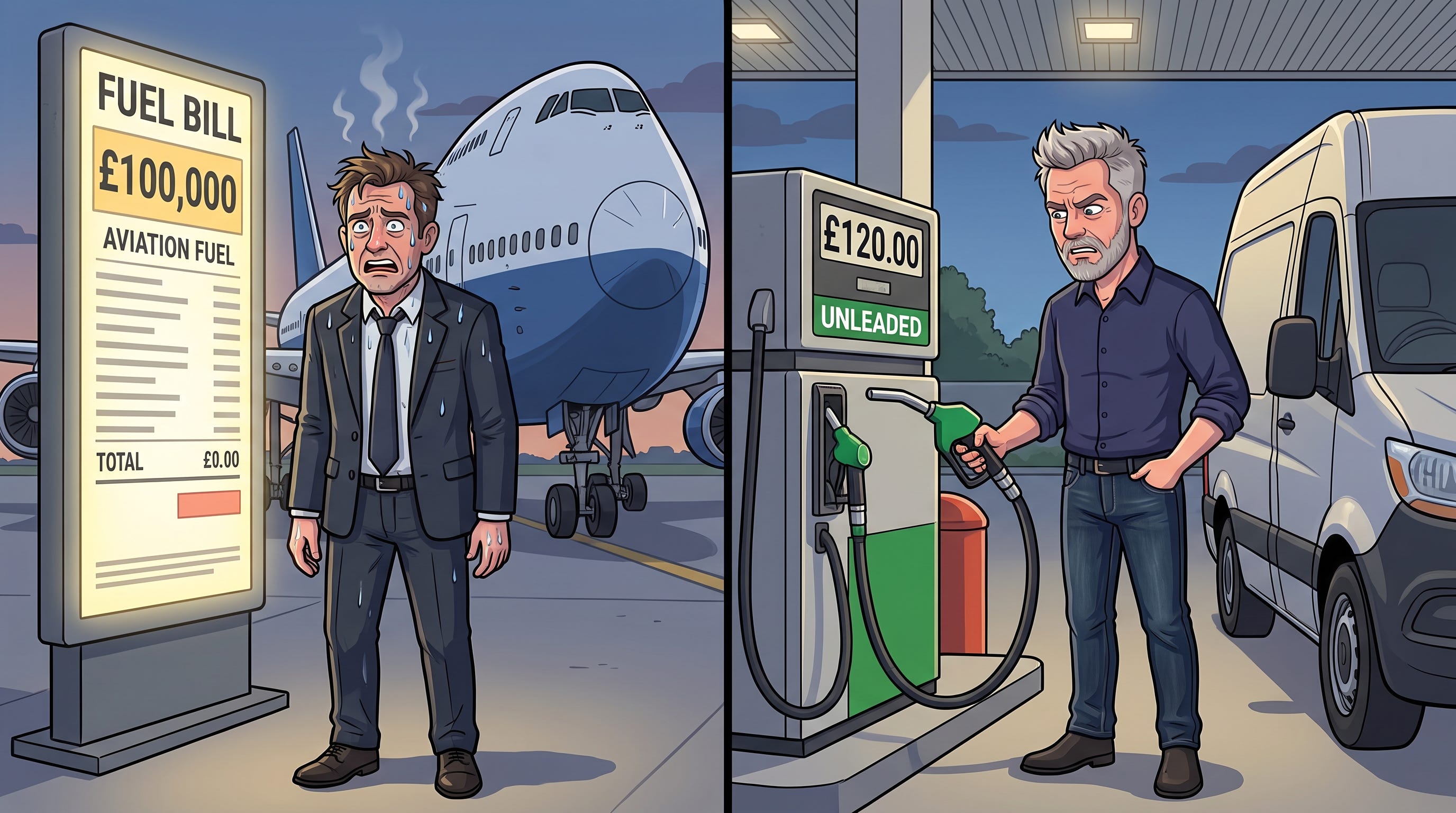
The truth is, as you scale, it’s the exact same problems, just with bigger amounts of money.
I remember when we first started our Toyday e-commerce website. We had one physical shop which my wife was running, whilst I was trying to get the e-commerce side off the ground. I remember hitting a wall because I couldn’t afford the £12 required to buy a simple modification for our website that would show our customers “related products.” My wife told me to wait for a couple of weeks until we’d have enough money in the bank to buy it without worrying.
Today, it’s really no different. We still find ourselves occasionally having to buy raw wood for the workshop on a credit card, or, like today, paying the entire payroll bill from our savings because cash flow is temporarily tight. As your business grows, so do your expenses and your liabilities.
The Christmas We Lost Money on Every Order
Because your expenses scale with you, it is absolutely vital to ensure that your margins are spot on. If you get this wrong, scaling up will just bankrupt you faster.
When we had the toy shops, we once had a ridiculously busy Christmas season. We had a few really popular product lines where we had achieved the magic “green tick” on Amazon, meaning we were the cheapest seller, and they were selling like crazy.
When you are selling on platforms like Amazon, it is dangerously easy to get sucked into trying to be the lowest price. But chasing that green tick is just a race to the bottom.
We were taking in bulk daily deliveries of these key lines, packing them up as fast as we could in the shop basement with half a dozen extra Christmas staff, and getting them sent off to our customers.
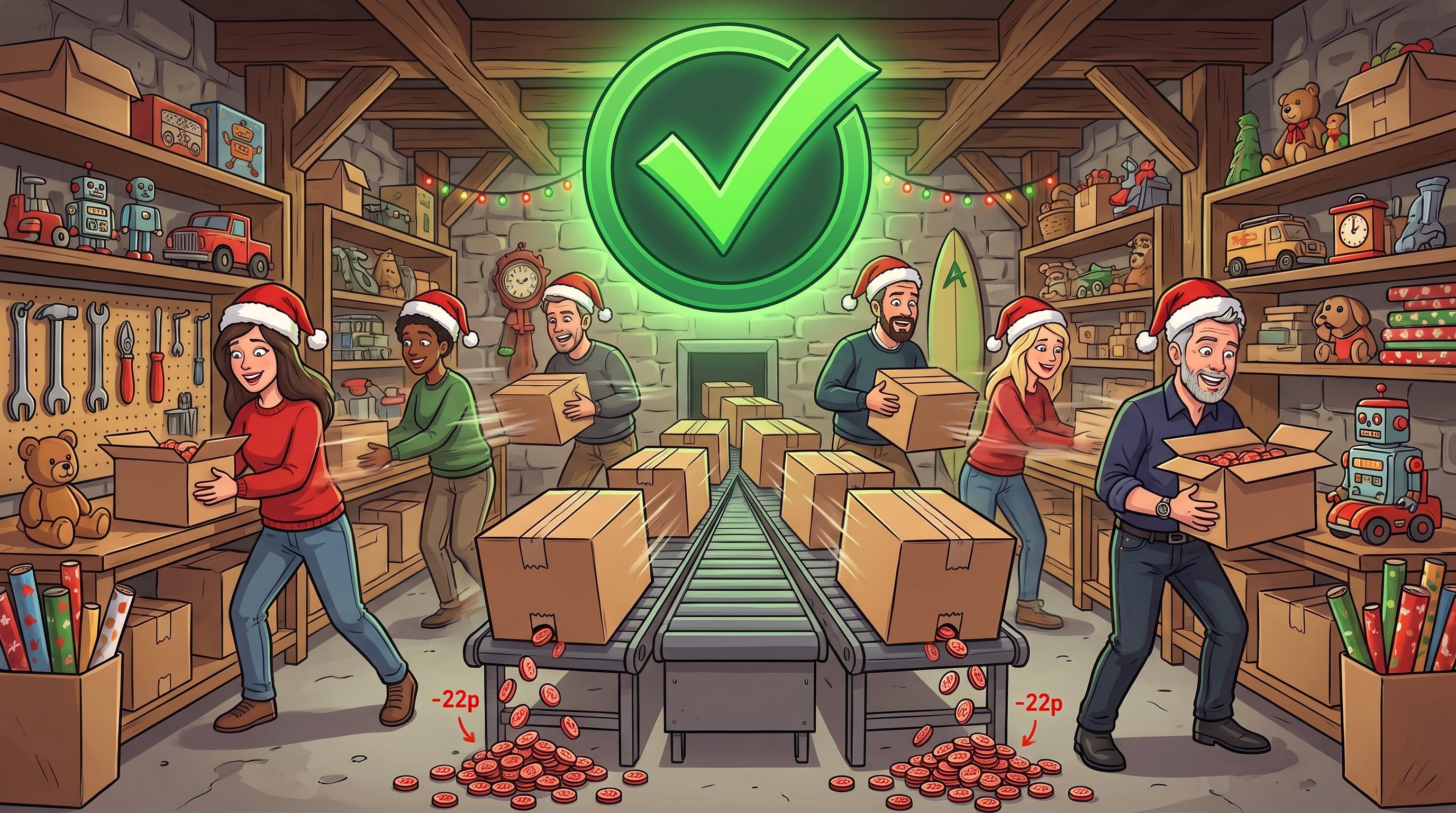
It felt like Santa’s workshop. But what we didn’t realise until the following January, after we had paid all the bills, Royal Mail, staff wages, and Amazon commissions, was that we couldn’t afford to pay the tax bill – never mind taking that well deserved holiday we thought we had earned!
After a couple of days of working out precisely where we had gone wrong, we discovered that we had been making a loss of approximately 22 pence on EVERY SINGLE ONE of those popular items that we had been frantically paying staff to pack and send. We were busy fools. The only clear winner in this scenario is Amazon, which gets to provide bargain loss leaders to its customers, entirely subsidised by its own merchants!
The Survival Toolkit: Save for a Rainy Day
This is exactly why we need to save for a rainy day.
Top Tip
I highly recommend automatically setting up a savings pot or a separate account where 10% of all your business income automatically goes.

In my book, I talk about the “Rule of Thirds”. Spend a third, save a third, invest a third. But at the absolute bare minimum, siphon off that 10% before you even look at it. The rule of thirds should apply to all NET income (ie, profit or net salary)
This ensures you always have a small buffer so that you get no nasty tax bill surprises, and it gives you the flexibility to ride the storms when cash flow is tight and you need to make payroll.
About the Author

I’m Adam McCollough, founder of Start a Business with No Money. I started my entrepreneurial journey as a young guy on a council estate, trying to clean upper-story windows without a ladder. Since then, I’ve built everything from graphic design shops to toy store chains, learning the hard way that throwing money at a problem is usually the worst thing you can do.
My ultimate business asset? Using my brain, finding creative leverage, and intentionally outsourcing my weaknesses.
You Don’t Need Another Course!
You need a creative solution to your exact sticking point. Inside our free Start a Business with No Money Skool Community, you get direct access to me and a powerhouse team of Resident Experts. Whether you need help with visibility, tech, or client acquisition, or just need some accountability we are here to help you bypass your roadblocks without a bank loan, and by using the resources you already have.
Never Miss an Article If you liked the article above, get more delivered straight to your inbox.